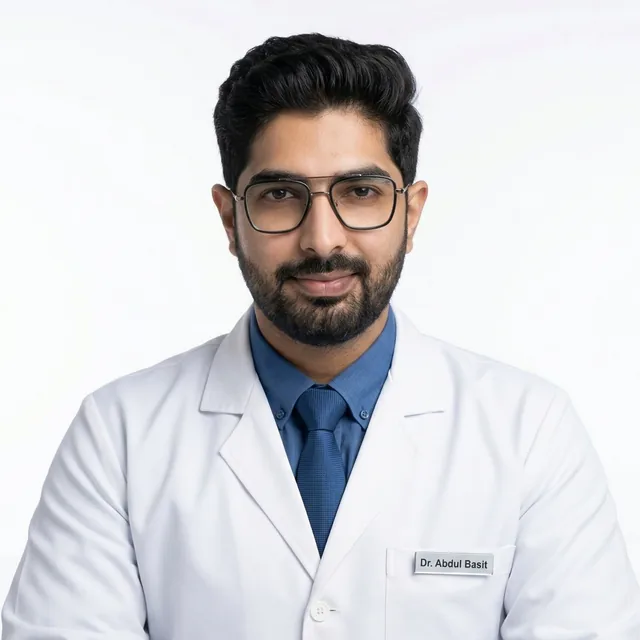
A good consultation feels like a medical evaluation. A bad one feels like a sales pitch with a stethoscope prop. Learning to spot hair transplant consultation red flags before you sign anything can save you from a result, and a scar, you did not sign up for.
Most patients only compare clinics on price or photos. Few pay attention to how the actual consultation is run, even though it tells you more about a clinic's priorities than any gallery ever could.
Red Flag: You Never See a Doctor
If the entire consultation is handled by a "consultant" or salesperson who never brings in a doctor to examine your scalp, that is worth noticing immediately. Assessing your donor density, hair loss pattern, and candidacy for surgery is a medical judgment, not a sales conversation.
Ask directly who will be examining you and who will be performing the surgery itself. If those two answers keep changing or staying vague, treat that as a signal to keep asking.
Red Flag: Pressure to Book the Same Day
A legitimate consultation gives you time to think, ask follow-up questions, and compare options. A consultation built around same-day discounts, "this price is only valid today," or urgency about limited slots is designed to stop you from thinking too hard.
Surgery on your scalp is not an impulse purchase. Any clinic that treats it like one is telling you something about how it treats patients after you have paid, too.
Red Flag: No Discussion of Your Donor Supply
Your donor area, not your bald spot, is the actual limiting factor in what a transplant can achieve. A consultation that skips examining the back and sides of your scalp and jumps straight to a graft number and a price has skipped the one exam that actually matters.
A proper evaluation involves a physical look at donor density, hair caliber, and scalp laxity before anyone commits to a plan. If none of that happens, the number you are quoted is a guess, not an assessment.
Red Flag: Vague or Shifting Technique Explanations
Ask what technique is being recommended for your case, whether ICE-FUE, Sapphire FUE, or DHI, and why that one over the others. A clinic that cannot explain the reasoning, or that gives a different answer depending on who you ask, has not actually thought through your case individually.
Technique should be matched to your hair type, donor density, and the area being treated. A generic answer for every patient is a sign the plan is not really personalized at all.
Red Flag: Unrealistic Promises About Density or Coverage
Be cautious of any consultation that promises to fully restore your teenage hairline regardless of how advanced your hair loss is or how limited your donor supply looks. Donor supply is finite, and an honest surgeon will tell you what is realistically achievable rather than what you want to hear.
If a consultation never mentions any limitation, tradeoff, or realistic caveat about your specific case, that absence itself is worth noticing. Every real surgical plan has boundaries.
Red Flag: No Clear Answer on Aftercare or Complications
Ask what happens if you have a problem during healing, whether that means an infection, unusual shedding, or a result that does not meet expectations. A consultation that has no clear answer, or brushes the question off as "that never happens here," is avoiding a conversation every reputable clinic should be comfortable having.
Complications are uncommon but not impossible with any surgical procedure. A clinic that pretends otherwise is not being fully honest with you.
Red Flag: The Quote Keeps Changing
If the price you are quoted during the consultation shifts significantly once you show interest in booking, or once a "manager" gets involved, treat that as a signal. A serious consultation about the cost of hair transplant in Karachi should give you a clear, itemized number tied to your actual assessed graft need, not a negotiation.
Pricing built around haggling rather than an actual clinical assessment tends to reflect how the rest of your care will be handled too.
Red Flag: No Written Documentation of Your Plan
After a consultation, ask for a written summary of what was discussed: the recommended technique, the estimated graft range, and the quoted price. If a clinic cannot or will not provide anything in writing, you are left relying purely on memory of a verbal conversation that can be remembered differently later by either side.
A simple printed or emailed summary protects both you and the clinic, since it creates a clear record of what was actually agreed on during your visit. Its absence is not proof of bad intent, but it removes a layer of accountability you would otherwise have going into surgery.
Red Flag: Staff Discourage You From Comparing Options
Pay attention to how staff react if you mention you are also considering another clinic or want time to think it over. Genuine discomfort or pushback at the idea of you doing due diligence elsewhere is a meaningful signal, since a clinic confident in its own value has little reason to discourage comparison.
A confident clinic generally welcomes questions about how it compares to others, because it does not need pressure tactics to make its case. Defensiveness in response to a reasonable, ordinary question tells you something worth remembering after you leave.
What a Good Consultation Actually Looks Like
A solid consultation includes a physical examination of your scalp, a clear explanation of your hair loss pattern and donor supply, and a specific technique recommendation with reasoning behind it. It gives you time to ask questions without pressure to decide immediately, and it is upfront about what is and is not realistic for your case.
PMDC-certified surgeons should be involved in evaluating your case, not just a sales team reciting a script. A free consultation is a reasonable way to compare how different clinics actually handle this process, since you lose nothing by watching how they behave before you commit to anything.
How to Use This Before Your Own Consultation
Walk in with a short list of questions ready: who examines you, who performs the surgery, what technique is recommended and why, and what your donor supply actually allows. Pay attention to how directly, or how evasively, each question gets answered.
A clinic that answers plainly, even when the answer involves a limitation, is usually more trustworthy than one that only tells you what sounds good. Trust the tone of the whole conversation, not just the final number.
One of the clearest red flags worth digging into separately is who actually ends up performing the procedure once you are past the consultation stage, since the person examining you is not always the person operating on you. Our breakdown of technician-led versus surgeon-led hair transplants covers why that distinction matters more than most patients realize.
A rushed, pressured consultation is rarely an accident. It is usually a preview of how the rest of your experience at that clinic will go, so treat it as real information, not a formality to get through.
Frequently Asked Questions (FAQs)
What is the biggest red flag in a hair transplant consultation?
Never being examined by an actual doctor, and instead being handled entirely by a sales consultant, is one of the clearest warning signs. Assessing donor supply and hair loss pattern requires medical judgment, not a sales script.
Should I be worried if a clinic pressures me to book the same day?
Yes. Same-day discounts and urgency tactics are designed to stop you from comparing options or thinking it through, and a decision about surgery deserves more time than that.
Why does donor area examination matter so much in a consultation?
Your donor supply, not your bald spot, determines what a transplant can realistically achieve. A consultation that skips a physical donor exam and jumps straight to a price has skipped the assessment that actually matters.
Is it normal for a hair transplant quote to change after the consultation?
No, a serious quote should be based on your actual assessed graft need and stay consistent. Prices that shift once you show interest in booking are a sign the number was never really tied to a clinical assessment.
What should a good hair transplant consultation include?
A physical scalp examination, a clear explanation of your donor supply and hair loss pattern, a specific technique recommendation with reasoning, and time to ask questions without pressure. Honesty about realistic limitations is also part of a good consultation.
How do I know if the surgeon recommending my treatment will actually perform it?
Ask directly during the consultation and get a specific answer, not a vague one. This distinction matters enough that it deserves its own research before you commit to any clinic.